Khalil Hashmi calls for deeper China-Pakistan cooperation in medical AI
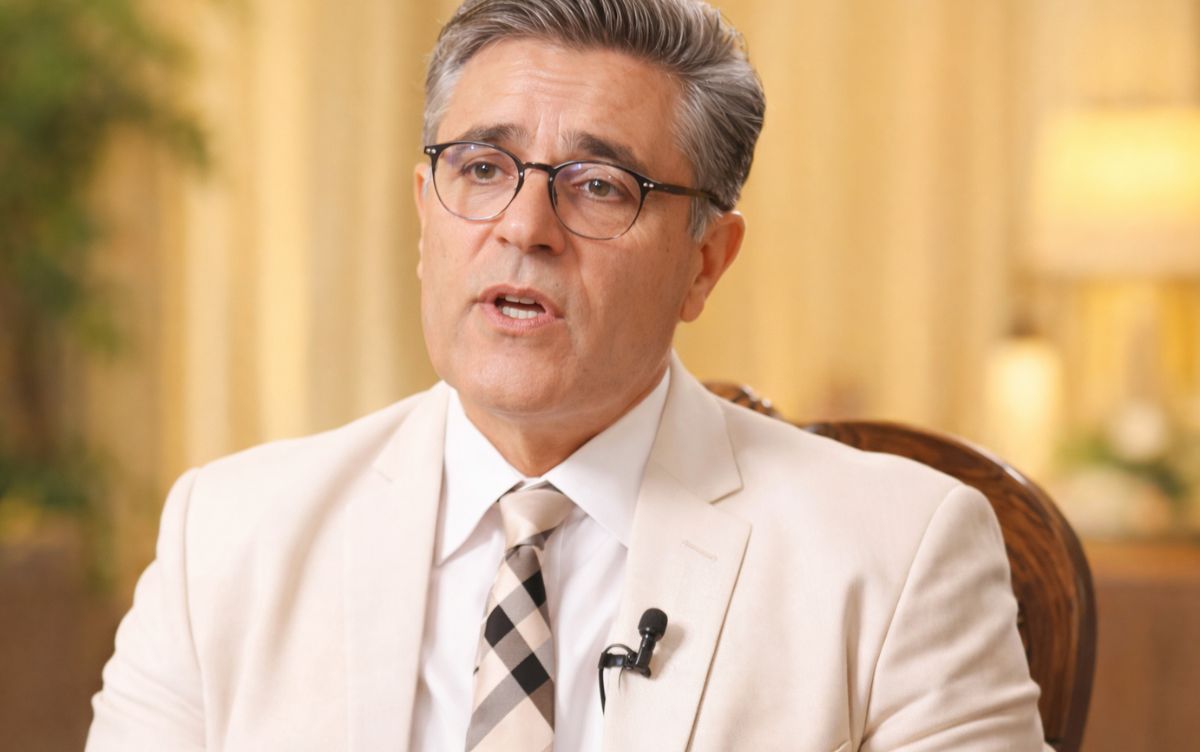
Pakistan’s Ambassador to China, Khalil Hashmi, has highlighted the growing potential of Chinese artificial intelligence technologies to support development across emerging economies, saying that accessible and competitively priced innovation from China could deliver significant benefits for the developing world.
Speaking in an interview with China Economic Net on the sidelines of China’s annual “Two Sessions,” the ambassador emphasised that China’s rapid progress in artificial intelligence reflects the country’s strong focus on indigenous innovation and technological advancement.
Hashmi noted that China’s development in AI and related technologies is driven largely by its own creativity, research capabilities and innovation ecosystem. He pointed to international data showing the country’s rising leadership in the field. According to the World Intellectual Property Organization, China was the world’s largest source of patent filings in 2024, reflecting the scale of its research and development activity.
Further evidence of China’s leadership in artificial intelligence was highlighted by the 2025 AI Index released by Stanford Institute for Human-Centered Artificial Intelligence, which found that China accounted for nearly 69.7 percent of global AI patent grants in 2023.
Discussing the global competition in artificial intelligence, Hashmi said that the rivalry between Chinese, American and other technological models should be viewed positively. In his view, such competition can drive improvements in research quality, strengthen human resource capabilities and accelerate economic growth around the world.
Artificial intelligence, he explained, is a cross-sector technology with wide-ranging applications that extend far beyond the technology industry. Fields such as education, agriculture, transportation and sustainable development are already beginning to benefit from AI-driven innovation.
The ambassador placed particular emphasis on medical AI, pharmaceuticals and biotechnology as promising areas for enhanced cooperation between Pakistan and China. He said that joint research and development in these sectors could significantly improve access to affordable diagnostic tools and therapeutic solutions in developing countries.
With Pakistan’s population surpassing 255 million people in 2025, according to data from the United Nations Population Fund, expanding healthcare capacity and improving medical technologies remain key national priorities. Collaborative innovation with China could help address these challenges by making advanced healthcare technologies more accessible and affordable.
Recent developments in Pakistan’s healthcare sector already demonstrate the potential of such cooperation. In November 2025, doctors at the Pakistan Institute of Medical Sciences successfully carried out Islamabad’s first robotic adrenalectomy using China’s Toumai Surgical Robot, marking an important step in the adoption of advanced surgical technology in the country.
Hashmi described the achievement as an encouraging example of how technology partnerships between the two countries can translate into practical benefits for healthcare systems and patients.
Looking ahead, the ambassador stressed the importance of closer collaboration between Pakistani and Chinese researchers, scientists and medical professionals. By working together on AI-based healthcare solutions, he said, the two countries could help develop technologies that serve communities most in need.
“I think the potential is great,” Hashmi remarked, adding that stronger research partnerships and knowledge exchange could enable both countries to harness artificial intelligence in ways that support inclusive growth and improved public welfare.