CPEC Phase II: $4.5bn Investment to Modernise Pakistan’s Agriculture
Pakistan and China have strengthened their agricultural partnership with the signing of 78 memoranda of understanding (MoUs) worth $4.5 billion, announced at the Pak-China Agriculture Investment Conference. This milestone highlights agriculture as a key priority sector under the second phase of CPEC, aiming to drive investment, modernisation, and bilateral trade growth.
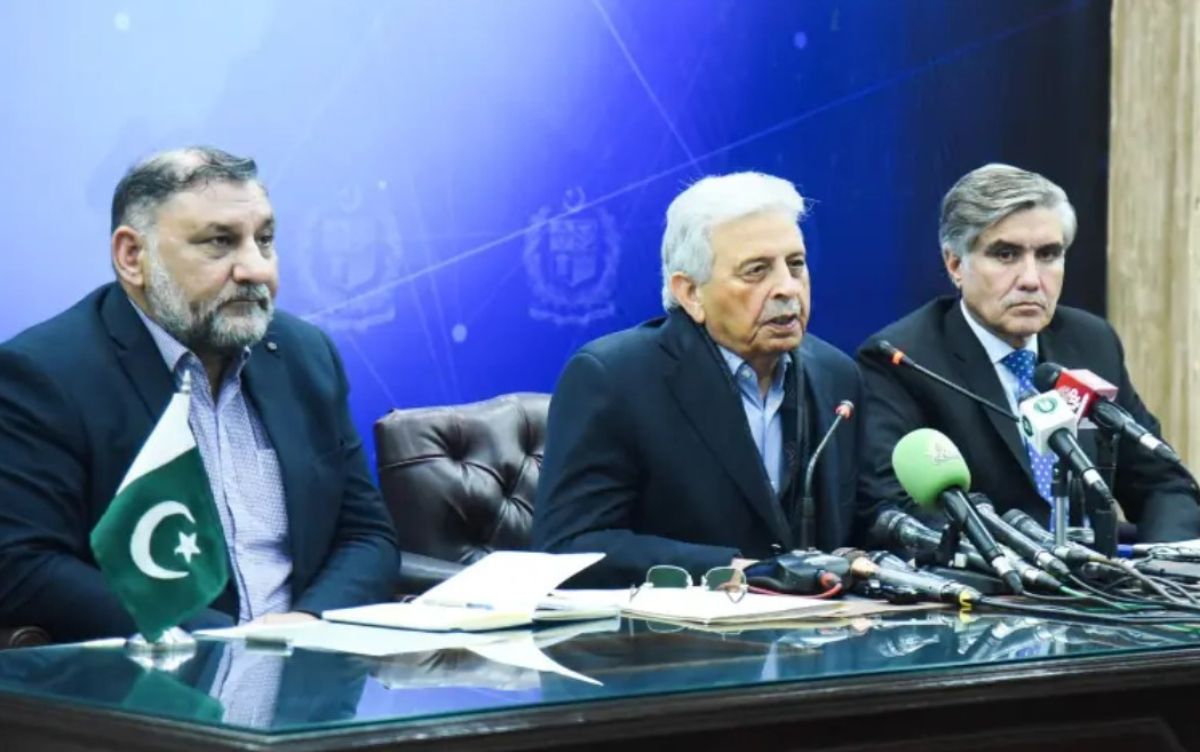
Minister for National Food Security and Research, Rana Tanveer Hussain, emphasised that the conference serves as a targeted, investment-focused platform rather than a general consultative forum. Its design encourages direct private sector engagement, investment matchmaking, and facilitation aligned with Pakistan’s national priorities for agricultural modernisation and export-led growth.
 P.c. China Pakistan Economic Corridor
The MoUs cover collaboration across 10 priority sub-sectors, including: seed production technology, export of heat-treated beef and offal, grain storage facilities, dairy and milk processing machinery, poultry equipment, bio-pesticides, feed mill technology, renewable irrigation solutions, and value addition in mango, citrus, rice, and soya products.
Out of the 78 agreements, 37 are business-to-business investments, 24 joint ventures, and 14 partnership agreements, targeting sectors such as agri-chemicals, machinery, food processing, meat and poultry, dairy, fruits and vegetables, animal feed, fisheries, cold chains, and food-grade packaging.
Dedicated units within the Ministry of Food Security and the Pakistan Embassy in Beijing will ensure MoU implementation, supporting follow-up actions to accelerate agricultural exports. Currently, Pakistan exports approximately $8 billion in agricultural products, with plans to double this figure within three years.
The conference hosted 165 Pakistani companies and 116 Chinese firms, enabling strategic business matchmaking. Pakistan also showcased investable projects, value chains, and ongoing policy reforms. In addition, the ministry plans to finalise over 25 sanitary and phytosanitary (SPS) and export protocols in 2026, alongside a new seed policy and a national biotechnology policy to facilitate GMO seed adoption.
With annual fruit and vegetable production exceeding 10 million and 9 million tonnes respectively, domestic demand is increasing by more than 5% yearly. Enhanced bilateral cooperation with China is expected to not only modernise Pakistan’s agriculture but also open new markets and boost exports, particularly in regional and African markets.