Pakistani agriculture experts trained in China start transferring knowledge
Pakistani agricultural scientists who recently completed advanced training in China have begun transferring their newly acquired expertise and modern research techniques to colleagues and institutions across the country. The initiative represents the next phase of efforts aimed at strengthening Pakistan’s agricultural sector through international collaboration and knowledge exchange.
According to a report by Gwadar Pro, the scientists have started organizing technical sessions, workshops and briefings to share their experiences after returning from six months of intensive training at leading universities and research institutes in China.
These knowledge-sharing activities are part of the government’s broader strategy to modernize farming practices and enhance research capacity within Pakistan’s agricultural institutions.
One such session took place at the Ayub Agricultural Research Institute in Faisalabad, where around a dozen returning scientists presented insights from their training to fellow researchers, students and interns. The presentations highlighted new agricultural technologies, laboratory techniques and innovative research approaches observed during their time in China.
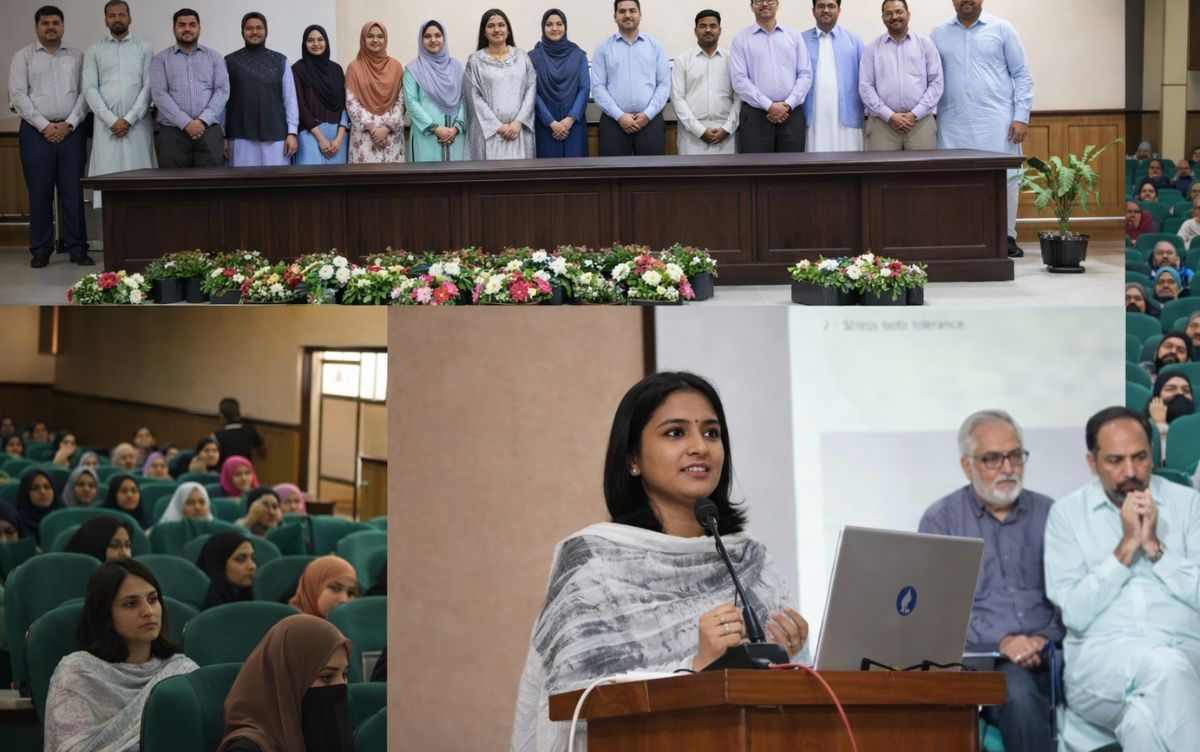
Dr. Sajid-ur-Rahman, Director General of Agricultural Research Punjab, said the returning scientists had gained valuable exposure to advanced research systems and cutting-edge agricultural technologies.
“The scientists who trained in China have returned with valuable expertise in modern agricultural research and technologies,” he said, adding that the focus now is on transferring that knowledge to other researchers, students and field professionals so that the benefits can extend to Pakistan’s farming community.
Participants in the training programme noted that their experience in China provided access to state-of-the-art laboratories, modern agricultural equipment and innovative scientific methodologies. These experiences, they believe, can help address long-standing productivity challenges faced by Pakistan’s agricultural sector.
Researchers also highlighted the emphasis placed on technology-driven agriculture in China. Wajeeha Khan, one of the programme participants, explained that precision agriculture, smart farming systems and collaborative research were central themes during the training.
“We are now working to adapt these approaches to local conditions and share them with colleagues and young researchers,” she said, emphasizing the importance of applying international best practices to Pakistan’s agricultural environment.
Dr. Javed Ahmad, chief scientist at the Wheat Research Institute in Faisalabad, noted that the return of internationally trained scientists would strengthen the country’s agricultural research framework.
He stressed that the true impact of such programmes lies in the sharing of knowledge. According to him, when trained experts pass on their expertise to colleagues and students, it creates a multiplier effect that enhances the overall research ecosystem.
The training initiative was conducted under the Prime Minister’s programme for capacity building of agricultural graduates in China. The programme aims to equip Pakistani professionals with modern skills and technologies that can help improve agricultural productivity and sustainability.
Under the initiative, 1,000 Pakistani agricultural graduates were selected to receive training at leading Chinese institutions. So far, 885 professionals—including 648 men and 237 women—have completed the programme and returned to Pakistan.
These professionals are now expected to serve as “master trainers,” sharing their knowledge through seminars, institutional briefings and field-level engagement with researchers and farmers.
The training programme covered nine key areas critical to Pakistan’s agricultural modernization. These included farm mechanization, crop speed breeding for crops such as cotton and hybrid rice, and the use of advanced technologies including drones, Internet of Things (IoT) systems and artificial intelligence in farming.
Additional areas of focus included advanced seed production technologies, livestock disease monitoring and genomics-based breeding, shrimp aquaculture, high-efficiency irrigation systems, and value-added processing for fruits and vegetables.
Experts believe that the transfer of these modern practices could help strengthen Pakistan’s agricultural productivity while supporting long-term food security and rural development.