Pakistan–China ties deepen at 75 as CPEC moves toward high-quality development
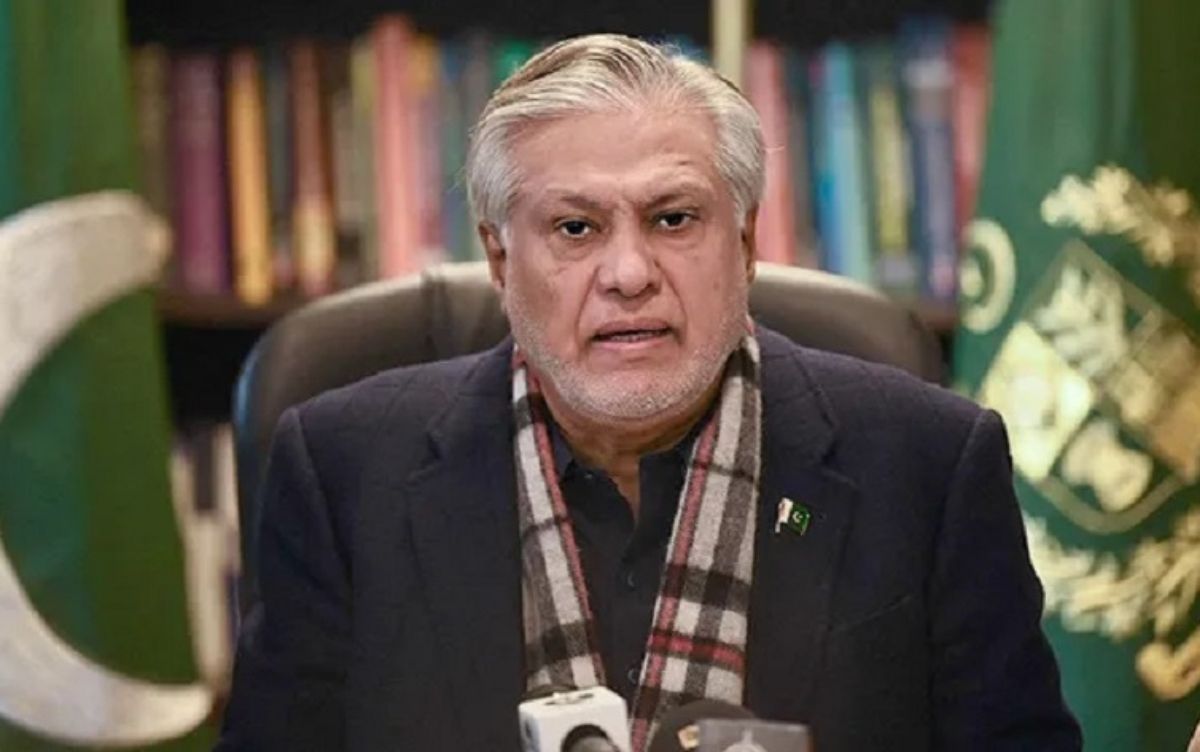
Deputy Prime Minister and Foreign Minister Ishaq Dar has reaffirmed the strength and continuity of Pakistan–China relations, describing the partnership as an “iron-clad friendship” that has grown deeper over the past 75 years despite shifting global dynamics. He noted that 2026 will mark the 75th anniversary of the establishment of diplomatic relations between the two countries, a milestone reflecting decades of mutual respect, trust, and cooperation.
In an interview with People’s Daily Online, Ishaq Dar said Pakistan and China have consistently supported each other on core interests and major international issues. He highlighted that the leadership of both countries continues to translate shared consensus into practical cooperation, particularly in economic development and industrial growth. According to him, both sides are accelerating efforts to build a China–Pakistan community with a shared future in the new era.
He explained that the China–Pakistan Economic Corridor (CPEC) is now entering a new phase of high-quality development, with a growing emphasis on improving people’s well-being. Agriculture, he said, remains a cornerstone of Pakistan’s economy, and recent collaboration with Chinese companies has produced encouraging results in crops such as chili peppers, rapeseed, and sesame. Many Pakistani agricultural products have also gained access to the Chinese market, helping farmers integrate into regional value chains and improve incomes.
 P.c. China Pakistan Economic Corridor
Ishaq Dar further noted that Pakistan launched a training programme in 2025 to send 1,000 agricultural experts to China. Through this initiative, Pakistani professionals are learning from China’s experience in agricultural innovation and modern farming practices. He said future cooperation under the CPEC framework aims to deepen engagement across the entire agricultural value chain, supporting the transformation and upgrading of Pakistan’s agriculture sector.
Beyond agriculture, he highlighted expanding cooperation in industry, technology, and energy. Chinese solar photovoltaic equipment, electric vehicles, and electric motorcycles have entered Pakistan’s market, contributing to improved public convenience and energy efficiency. Chinese companies have also set up manufacturing facilities in Pakistan, supporting industrial upgrading and job creation, particularly in regions facing infrastructure gaps and high energy costs.
Discussing space cooperation, Ishaq Dar said Pakistan and China have jointly launched nine satellites covering communications, earth observation, remote sensing, and lunar missions. He added that a Pakistani astronaut is expected to visit China’s space station this year, underscoring the trust and long-term partnership between the two countries in advanced technology domains.
He also pointed to China’s long-term economic outlook, noting that China will begin its 15th Five-Year Plan in 2026. Pakistan, he said, is keen to strengthen cooperation further and learn from China’s experience in high-quality development and modernization.
On global affairs, Ishaq Dar said the initiatives proposed by President Xi Jinping have gained broad international recognition, offering solutions to complex global challenges. He recalled that in September 2025, both countries issued an action plan for building a China–Pakistan community with a shared future (2025–2029), providing a structured framework for deeper cooperation.
Reiterating Pakistan’s foreign policy position, he said Pakistan remains an all-weather strategic cooperative partner of China and firmly supports the One-China policy. He emphasised the importance of opposing external interference, promoting dialogue, and fostering development-led cooperation to ensure regional stability, lasting peace, and shared prosperity.